Blog
Insight and analysis on Australia’s workforce, recruitment trends, and the forces shaping how we work. Expert perspectives and practical takeaways for job seekers and clients.
Hans Zimnoch • July 17, 2025
Interview Preparation Guide: How to Prepare for a Job Interview

Changing jobs, whether permanent roles or short-term contracts, is a big deal. The right role can have a significant impact on your life. It could boost your career, increase your professional satisfaction, and, in turn, influence how you feel outside of work.
It could be life-changing. And there’s only one way to get it. You need to make a strong impression at the interview.
Employers are looking to understand your skills, knowledge, and experience while at the same time assessing your approach and attitude to work and how you would fit within the business’s culture.
Whether you’re a confident socialiser or a shy professional, effectively preparing for your interview can be the make-or-break factor as to whether you get the job.
This is a comprehensive article to arm you with everything you need to ace your next interview. If you need some of the interview preparation tips more than others, jump to the relevant sections here:
“In this market, you might not be getting out to interview after interview,” says Consultant at Launch Recruitment Melbourne, Hans Zimnoch. “You have to make sure you’re nailing those you get.”
Check out our quick guides:
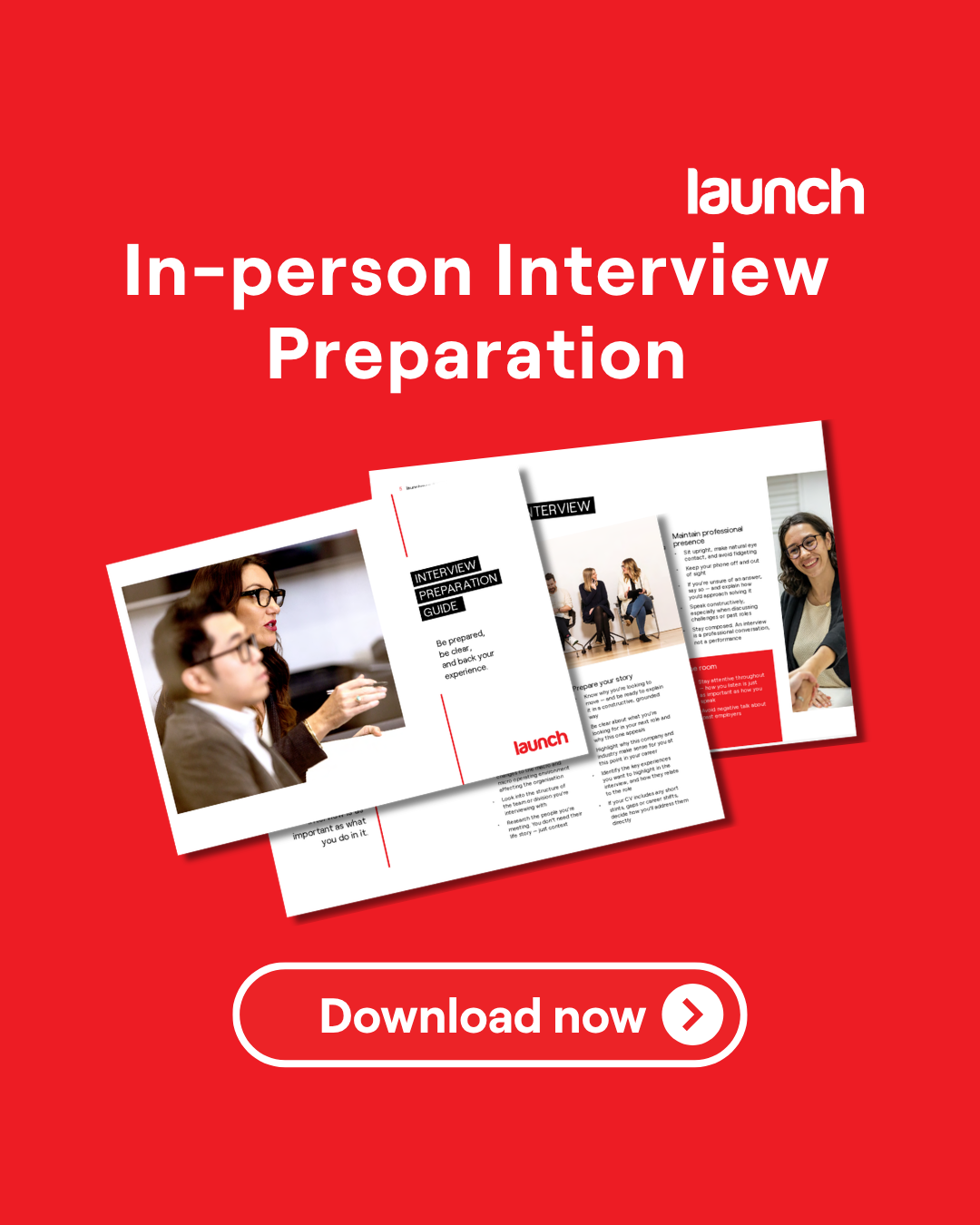
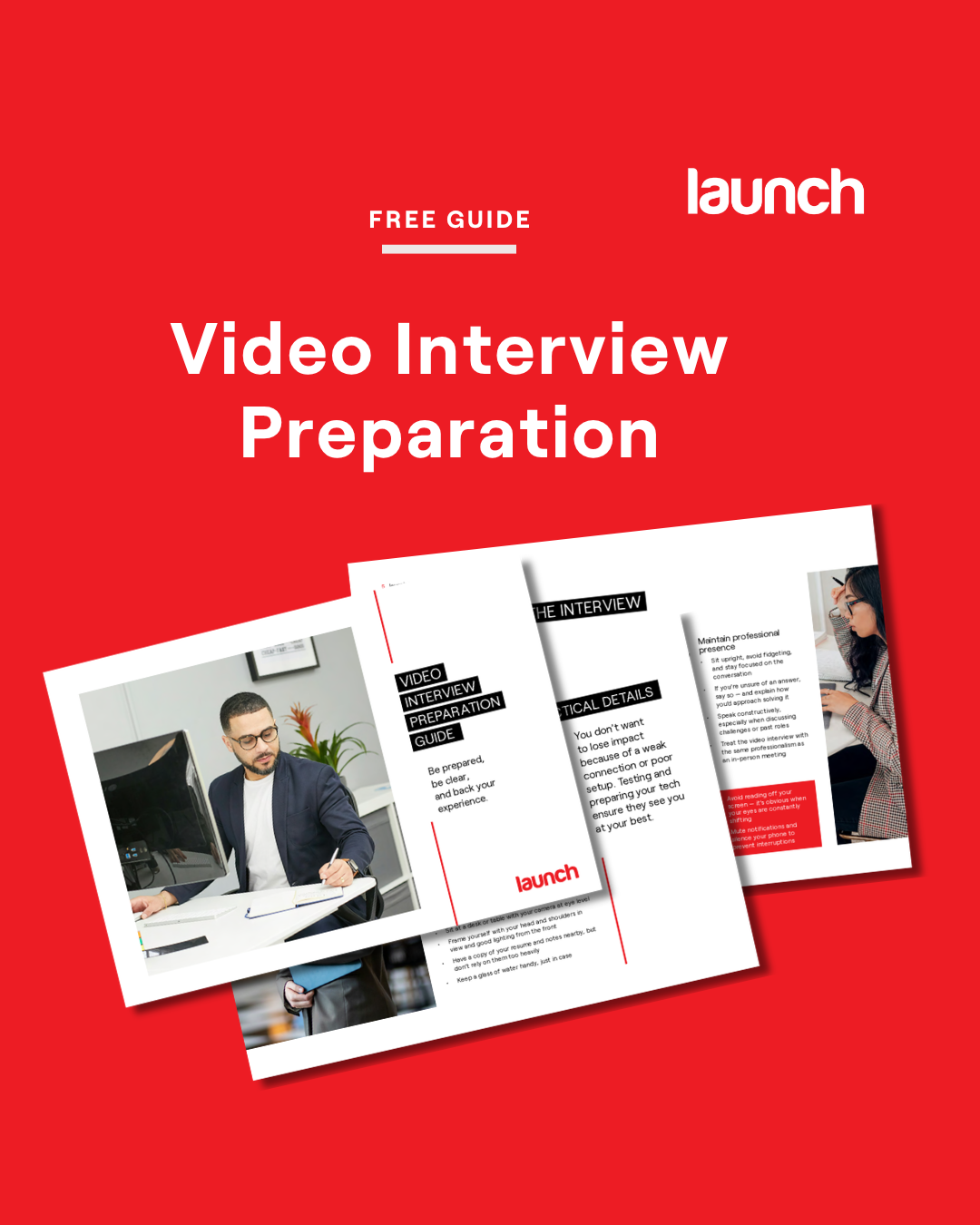
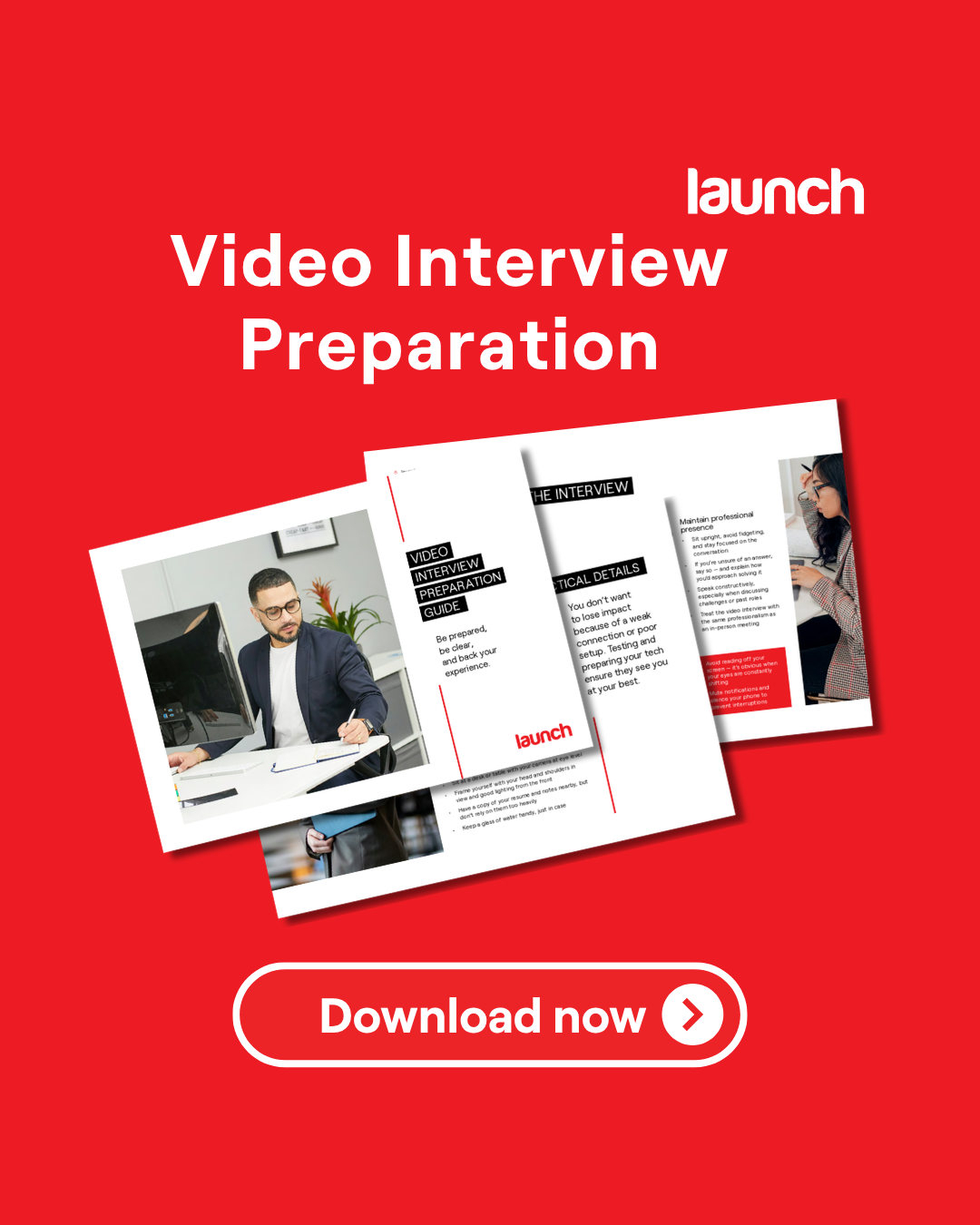
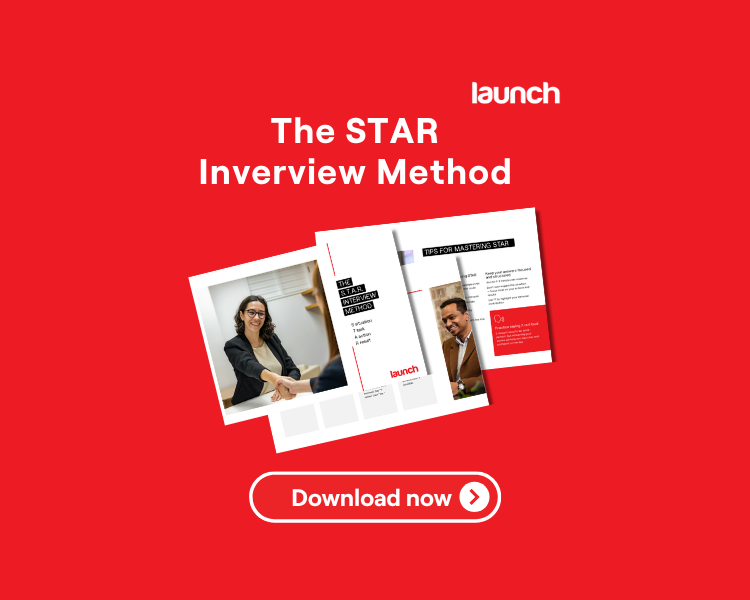
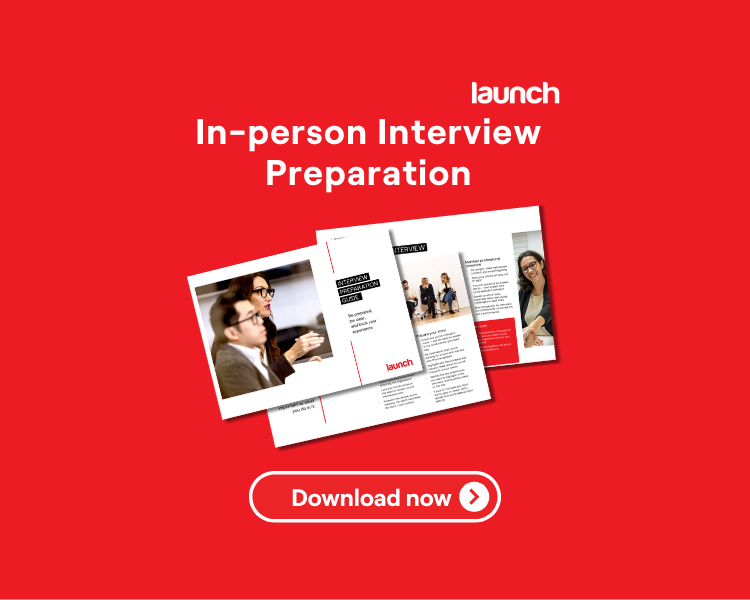
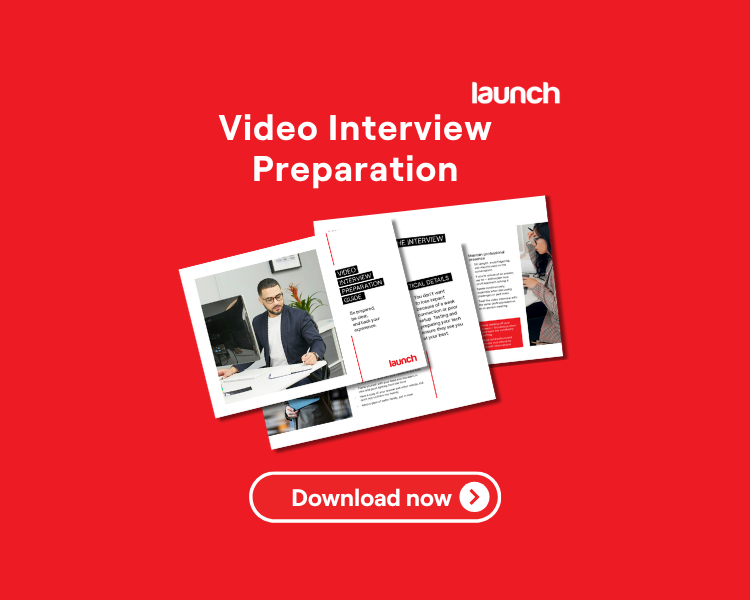
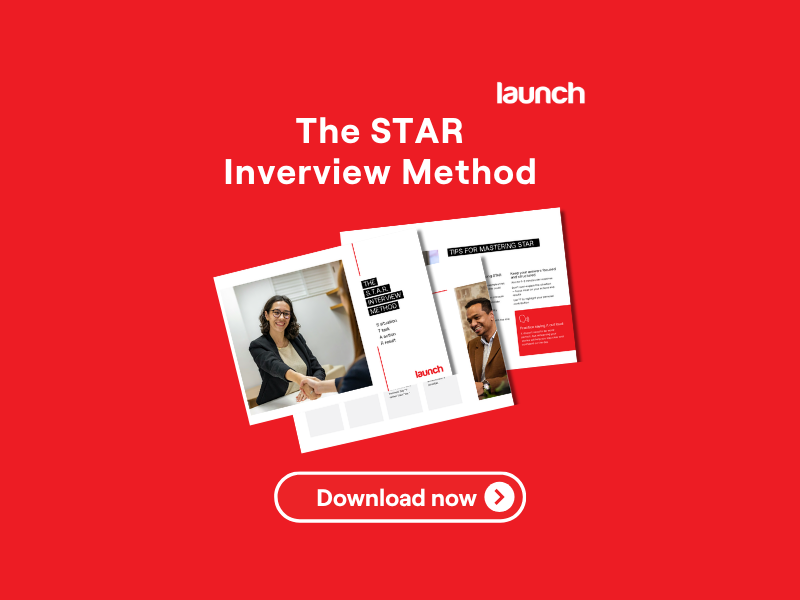
How to Prepare for a Job Interview: At Home Before the Interview
You might feel confident communicating your skills and experience, but it’s worth considering that the person sitting across from you will have specific ideas about what they want to hear. Not all of your skills and experience may be worth discussing. You need to know how to prepare for a job interview.
Effective interview preparation is about pre-empting what your interviewer may want to learn and preparing yourself to answer questions that you may not expect.
Good preparation is obvious to an interviewer — and so is the lack of it.
Get to know the role
The job description is an invaluable resource to glean insight into what you are likely to be asked during an interview. You want to:
- Review the job description and identify the core responsibilities
- Prepare 2–3 examples that demonstrate your alignment with the role
- Be ready to speak to outcomes. Not just what you did but what it achieved.
Understand the business
Some job descriptions will hint at or explicitly mention the business’s corporate culture or professional ambitions. But if you want to stand out, you should know more than the paragraph on that one page. Do some research online:
- Read the company’s website and pay attention to their purpose and positioning
- Has the organisation been in the news recently? Identify executive personnel changes, new client acquisitions, mergers and acquisitions, and changes to the macro and micro operating environment affecting the organisation
- Look into the structure of the team or division you’re interviewing with
- Research the people you’re meeting. You don’t need their life story — you want to know where they fit in.
Prepare your professional story
Your work history is, naturally, the largest focus of an interview. But it’s not only about the what (what skills and experience you bring to the job); it’s also about the why. The story of what led you here, why you moved there and where you see yourself going (and why this job makes sense for that).
This is a point that can trip up even the most confident interviewees. It’s a tricky topic that can lead to disjointed explanations. You need to know your story well before you can translate it to your potential employer.
- Know why you’re looking to move — and be ready to explain it in a constructive, grounded way
- Be clear about what you’re looking for in your next role and why this one appeals
- Highlight why this company and industry make sense for you at this point in your career
- Identify the key experiences you want to highlight in the interview and how they relate to the role
- If your CV includes any short stints, gaps or career shifts, decide how you’ll address them directly.
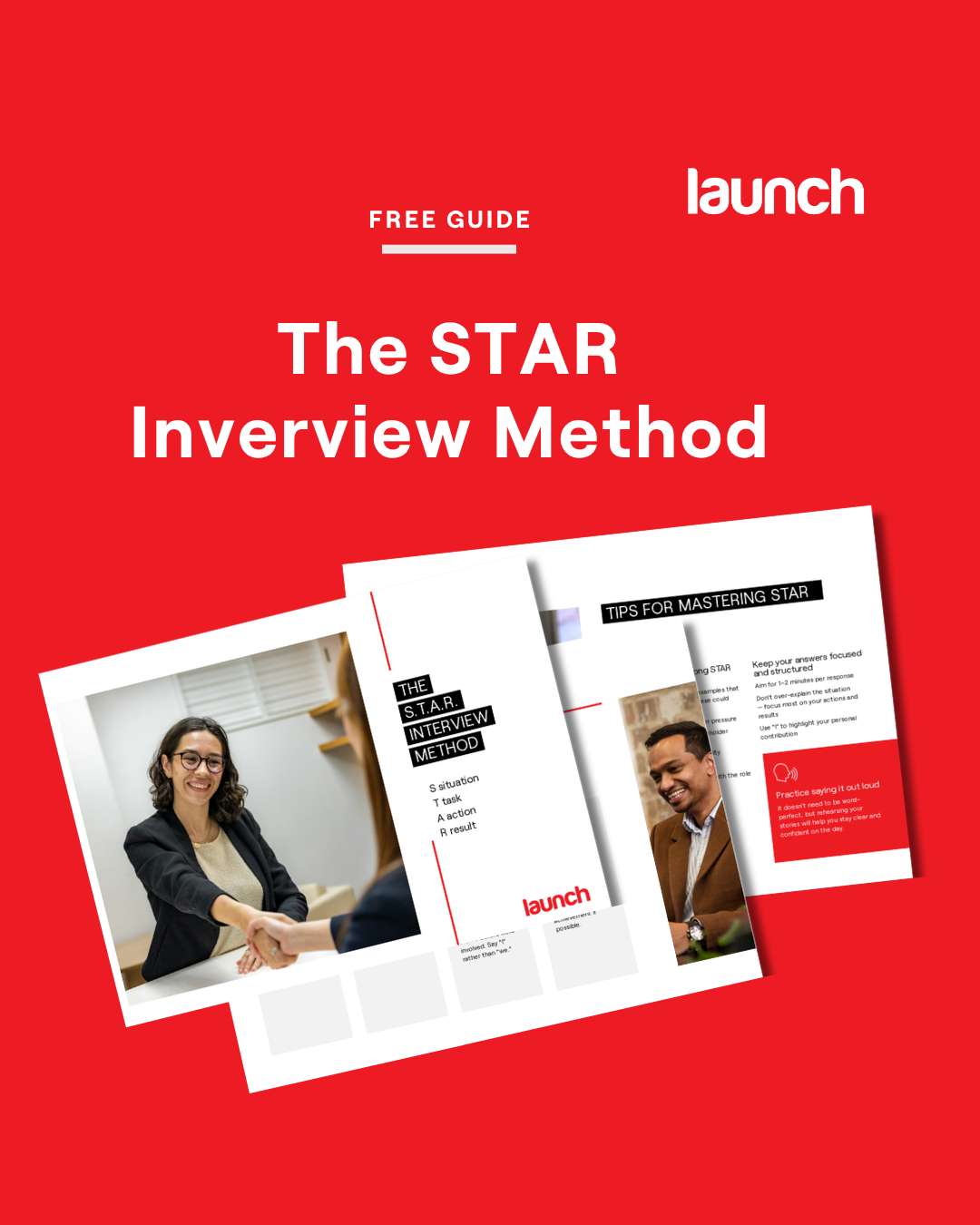
Familiarise Yourself With the STAR Method
The
STAR interview method is the most effective, structured way to answer
behavioural interview questions. The kind that tends to start with “Tell me about a time when…” or “Give an example of…”. These questions can feel open-ended or overwhelming, but STAR helps you stay focused, provide the right level of detail, and clearly show what you contributed to the outcome.
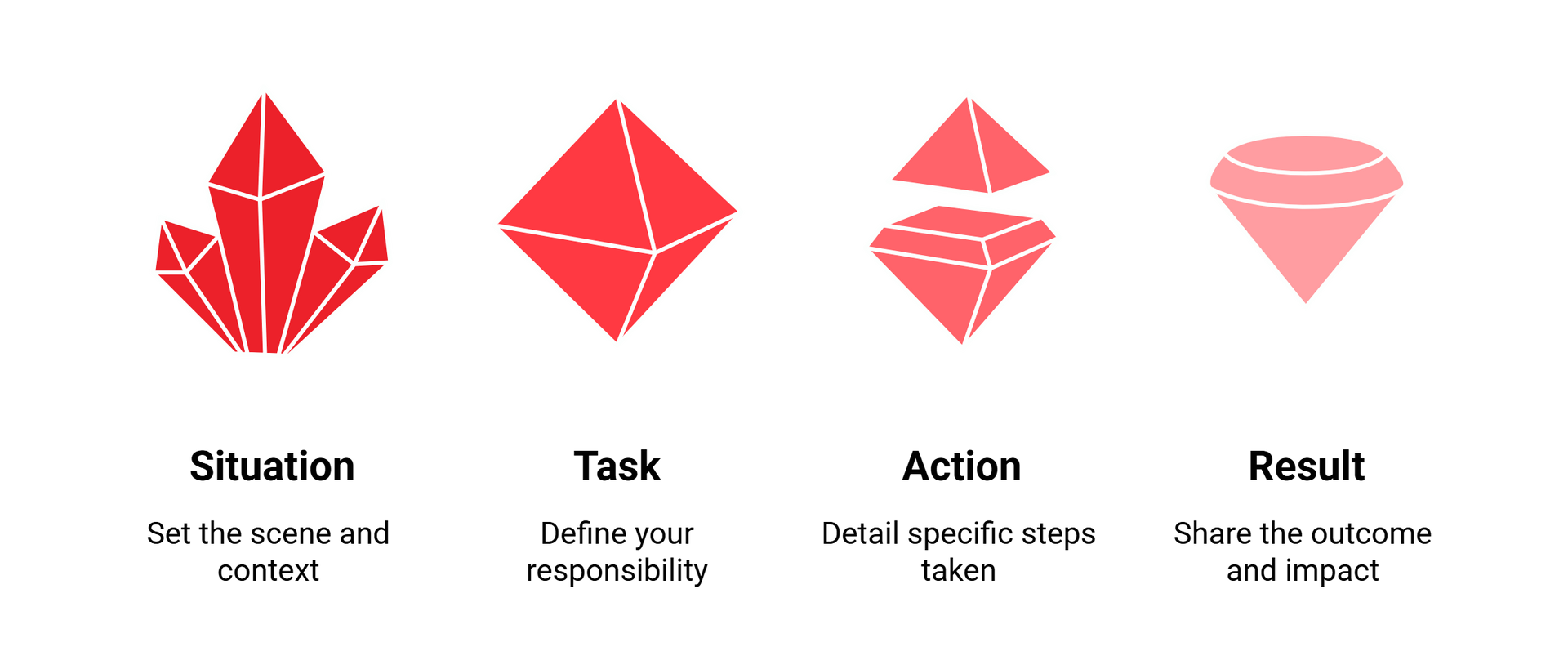
STAR stands for:
S – Situation: Set the scene. Briefly explain the context — where you were working and what the project or challenge was.
T – Task: Outline what you needed to do. What was your responsibility or objective in that situation?
A – Action: Talk through the specific steps you took. This is where you go into the most detail. Focus on your actions, even if others were involved. Say “I” rather than “we.”
R – Result: Share the outcome. What happened as a result of your actions? Quantify the impact or highlight the achievement if possible.
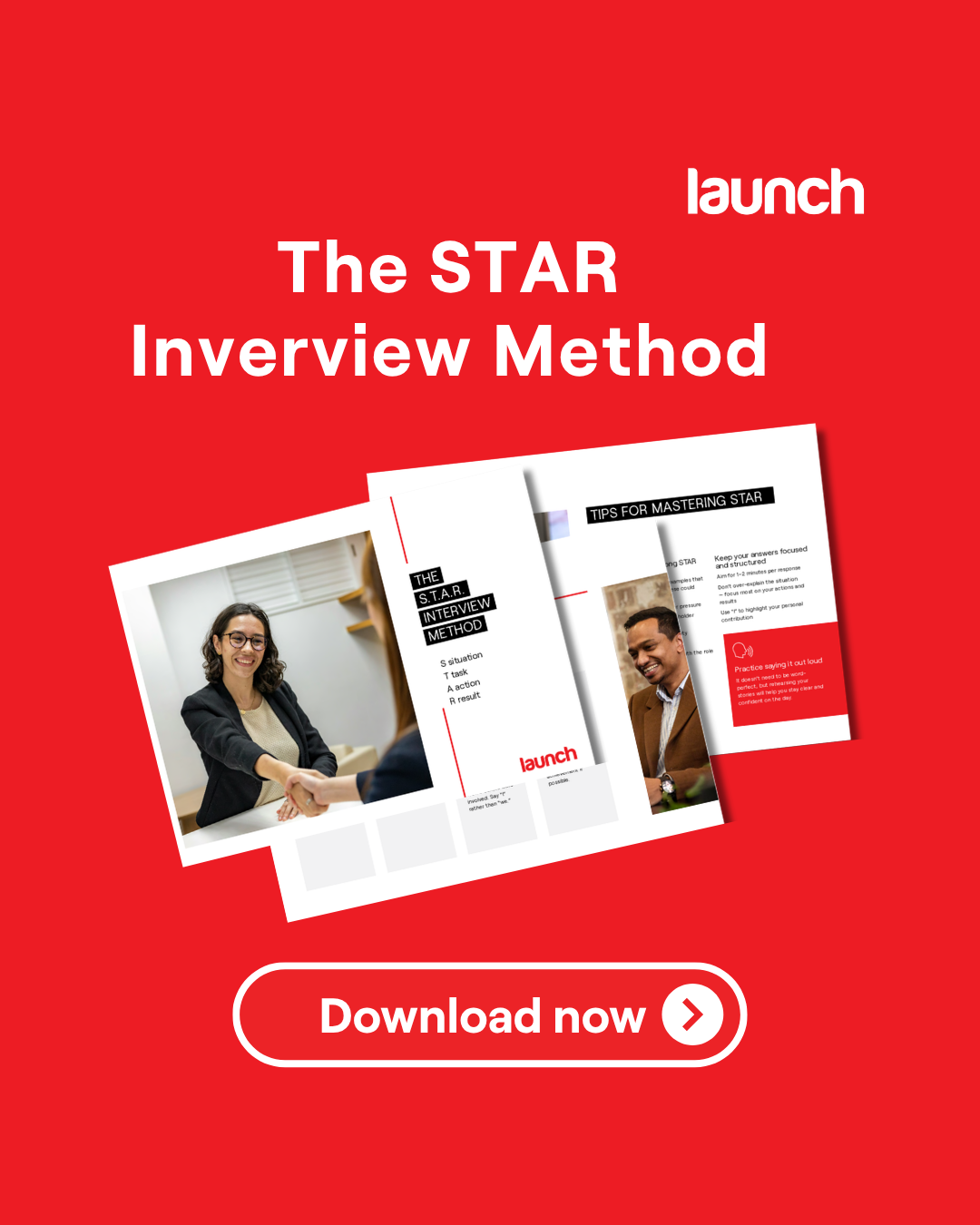
Tips for Mastering STAR
Prepare a few strong STAR stories
Think ahead about 2–3 examples that show your strengths. These could highlight:
- Problem-solving under pressure
- Collaboration or stakeholder management
- Learning and adaptability
- Leadership or initiative.
Choose stories that align with the role you’re applying for.
Keep your answers focused and structured
- Aim for 1–2 minutes per response
- Don’t over-explain the situation — focus most on your actions and results
- Use “I” to highlight your personal contribution.
Practice saying it out loud
It doesn’t need to be word-perfect, but rehearsing your stories will help you stay clear and confident on the day.
STAR Answer Example
S – Situation: “I was working as a DevOps engineer at a SaaS company. One Friday afternoon, our production environment started experiencing severe latency, affecting users globally. It was during a peak usage period, so there was pressure to resolve it quickly.”
T – Task: “My responsibility was to identify the root cause, implement a fix, and help restore normal service as quickly as possible.”
A – Action: “I started by reviewing system metrics through our monitoring tools and quickly narrowed the issue down to a memory leak in one of our key microservices. I coordinated with the backend team to verify recent deployments and rolled back the last release as a precaution. At the same time, I implemented traffic routing rules to temporarily reduce load on the affected nodes and prevent user drop-off. I kept our internal stakeholders updated in real-time via Slack and a shared incident log.”
R – Result: “We restored full service within 45 minutes. I later led a post-incident review and introduced an automated memory usage alert that helped catch a similar issue weeks later before it escalated. The leadership team acknowledged the way we handled the incident and improved our incident response SOP based on it.”
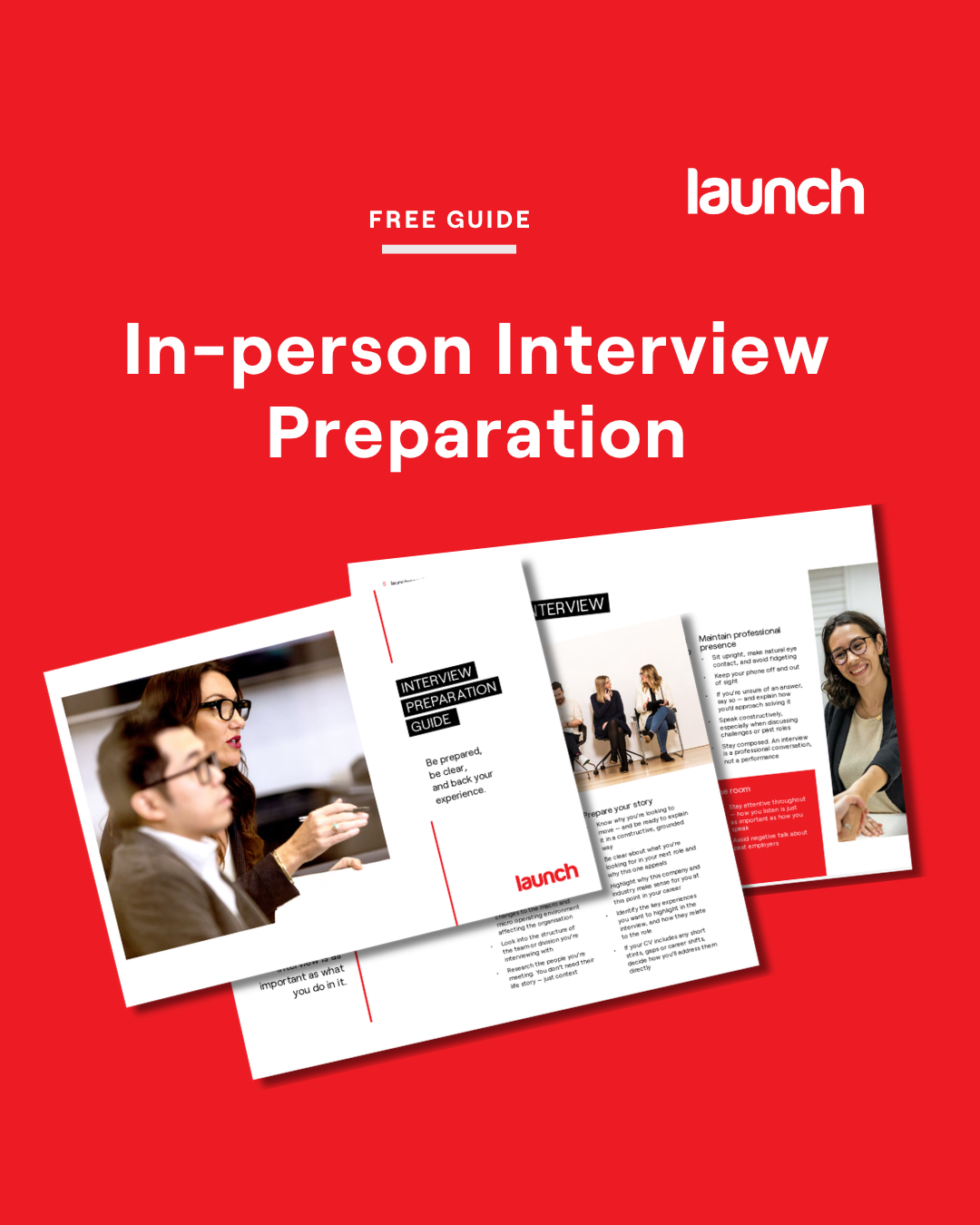
Interview Preparation Tips: Getting Ready to Go
Want to be cool, calm, and collected ahead of an interview? Aside from thoroughly preparing for the discussion, getting ahead on your practical preparation and personal presentation will set you up to feel organised and embodied in the role.
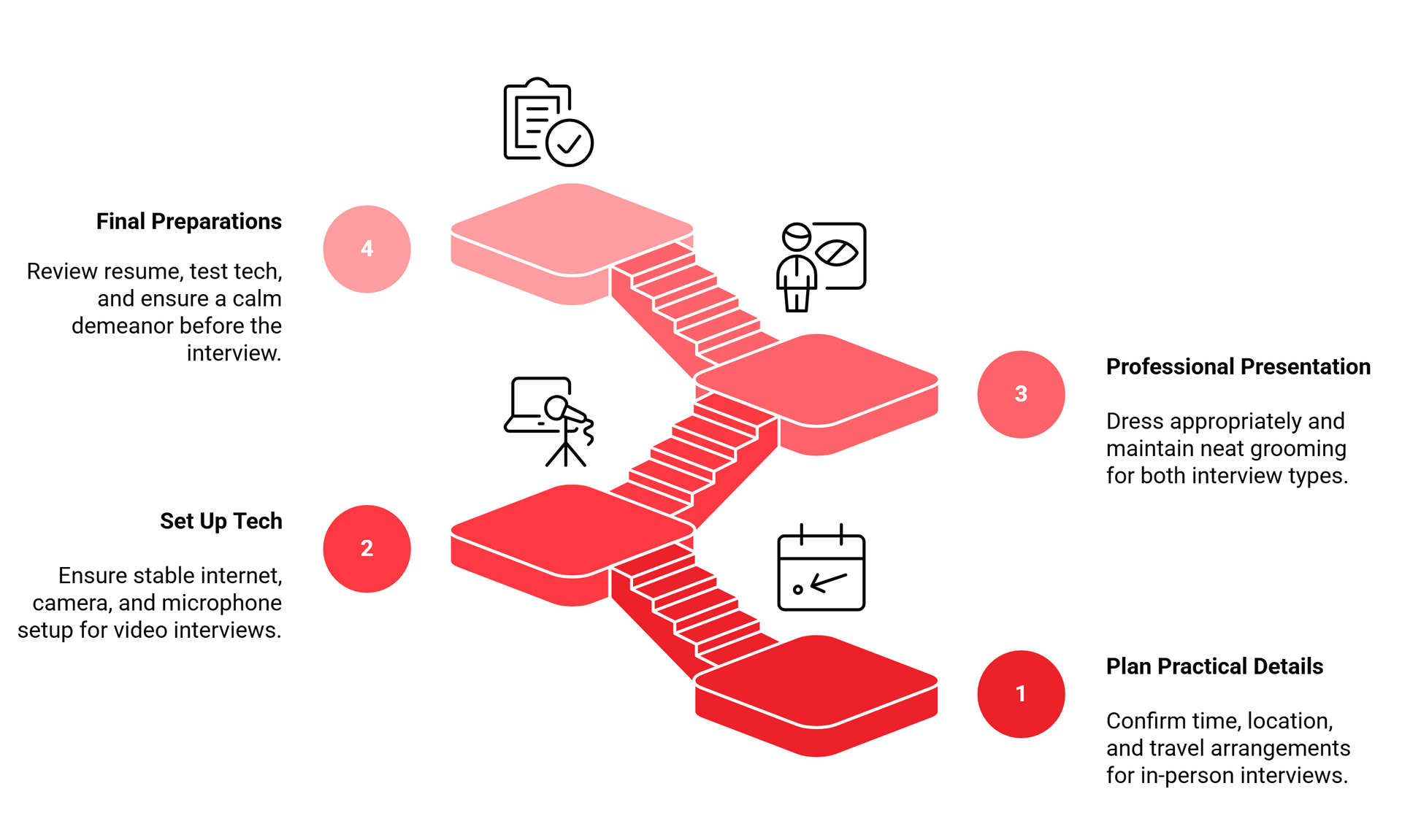
There is just as much to consider in a video interview as there is in an in-person interview, perhaps even more. Be careful to treat both with the same care and forward planning.
Plan the practical details (in-person interviews)
- Confirm the interview time, location, and who you’re meeting (ask your consultant)
- Plan your journey and allow time to arrive 10–15 minutes early
- Don’t check in more than 8 minutes before — if you arrive earlier, wait nearby
- Bring a printed resume, a notepad and a pen — small things that show you’re prepared.
Set up your tech (video interviews)
- Choose a quiet, well-lit space with a neutral background
- Use a laptop or desktop with a stable internet connection — avoid mobile where possible
- Test your camera, microphone and speaker/headphones the day before (and again 10 minutes before)
- Make sure your device is charged or plugged in
- Close other applications and turn off notifications to minimise distractions.
Present yourself professionally: In person
- Dress appropriately for the environment (even if it’s a video interview). If you’re unsure, ask your consultant
- Avoid strong fragrances (in-person) or accessories that distract
- Make sure your grooming is clean and neat — hair, nails, beard.
- Choose shoes that are clean and in good repair — they’ll be noticed
- A mint before an interview is always a good idea.
Present yourself professionally: Video
- Dress appropriately for the environment (even if it’s a video interview). If you’re unsure, ask your consultant
- Avoid strong fragrances (in-person) or accessories that distract
- Make sure your grooming is clean and neat — hair, nails, beard.
- Sit at a desk or table with your camera at eye level
- Frame yourself with your head and shoulders in view and good lighting from the front
- Keep a glass of water handy, just in case.
In-Person & Video Job Interview Tips
Most interviewers will form a base opinion within the first few minutes of meeting you. A strong start can shape the entire conversation.
In the onsite reception or video call lobby
In the minutes before you enter the room (virtual or physical), follow these key job interview tips.
In-person interview
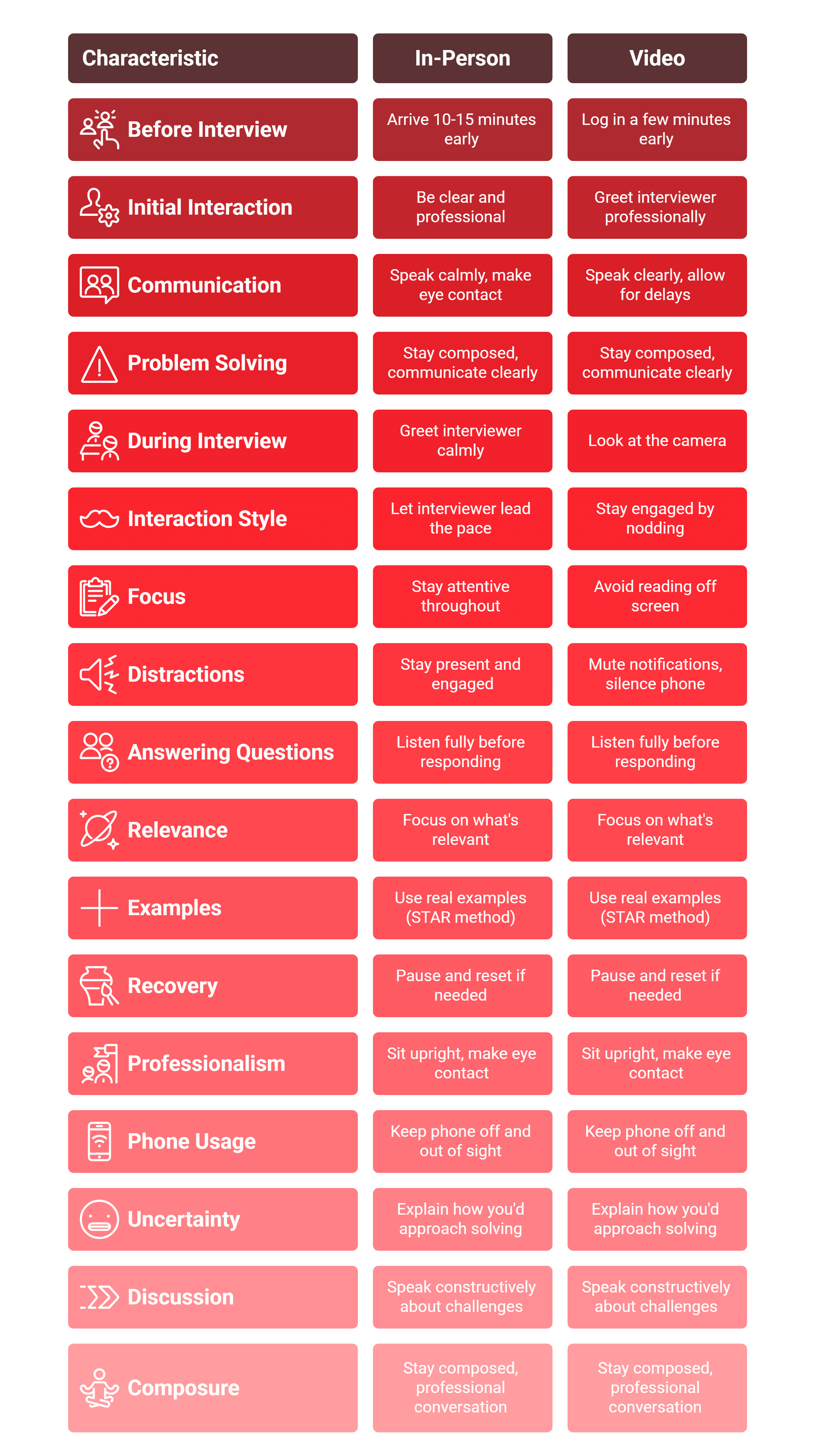
- Arrive at the building 10–15 minutes before your scheduled time, but don’t check in more than 8 minutes early — wait nearby if needed
- When you announce yourself, be clear and professional: your name, who you’re meeting, and your interview time
- First impressions start before the formal conversation. Everyone you interact with — reception, security, other staff — contributes to how you’re perceived
- Speak calmly, make eye contact, and stay off your phone in waiting areas.
Video interview
- Log in a few minutes early to settle in and check everything is working
- Greet your interviewer calmly and professionally — smile, make eye contact, and thank them for their time
- Speak clearly and allow for slight delays — it helps avoid talking over each other
- If there’s a tech issue, stay composed and communicate clearly .
In the (physical or virtual) room
In-person interview
- Greet your interviewer in a calm, direct manner
- Let them lead the style and pace of the interaction
- Use their name where appropriate, but don’t force it
- Stay attentive throughout — how you listen is just as important as how you speak.
Video interview
- Look at the camera when speaking — it simulates eye contact
- Stay engaged by nodding, smiling and reacting naturally to what’s being said
- Avoid reading off your screen — it’s obvious when your eyes are constantly shifting
- Mute notifications and silence your phone to prevent interruptions.
Structuring your answers (both on and offline)
Remember all you practised and prepared ahead of the interview.
- Listen fully before responding — don’t anticipate the question
- Focus on what’s most relevant to the role
- Use real examples to show how you approach work and solve problems
- Structure your answers: what was the context, what did you do, and what changed as a result (use the STAR method)
- If you go off track, pause and reset — it reflects clarity, not failure.
Maintain professional presence (both on and offline)
The same standards of meeting etiquette should be applied whether you’re in person or behind a screen. In fact, behind a screen, more effort should go into presenting professionally. You want to:
- Sit upright, make natural eye contact, and avoid fidgeting
- Keep your phone off and out of sight
- If you’re unsure of an answer, say so — and explain how you’d approach solving it
- Speak constructively, especially when discussing challenges or past roles
- Stay composed. An interview is a professional conversation, not a performance.
After the Interview
First, take a big breath of relief. Then, it’s time to sit down and consider what you thought of the interview.
- Jot down your impressions — what stood out, what you learned, and anything unclear
- Share your feedback with your consultant as soon as possible so they can guide next steps
- If you’re asked about next steps during the interview, take note and advise your consultant to manage this on your behalf.
If this is just the first of your interviews, simply follow these tips for all subsequent job interviews with that company or others.
Time spent preparing can be returned for years to come when you land the role of your dreams.
To find your next big opportunity, check out our latest roles.
Share
Have a Question?
Get in touch with us and our friendly staff will get back to you as soon as possible!
Thank you for contacting us.We’ll get back to you as soon as possible.
We got it.